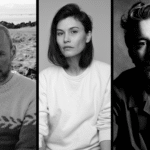
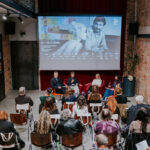
Film is a collective endeavour. Can its refusal also become a collective force? From the BDS Movement to the Film Workers for Palestine initiative – supported by Tilda Swinton, Olivia Colman, Javier Bardem, and Yorgos Lanthimos – in recent years, boycott has raised a question the film industry can no longer avoid: what do we endorse when we make, finance, distribute, and screen a film? This panel opens a debate about the distinction between censorship and boycott: between the power to silence another and the decision to withhold one’s work, name, and film from institutions on the grounds of their political accountability. Which films are subject to boycott, and which are not, and by what criteria? Which aspects are the most decisive – is it production and financial ties, along with institutional support, or the film’s content and the political stance of its author? What happens when a film criticises the policy of the state whose institutions provide its funding? Ronnie Barkan (co-founder of the First Jewish Anti-Zionist Congress and the Boycott from Within initiative), Jelena Maksimović (director), Diana Meheik (journalist and dramaturg) and Karla Crnčević (film worker) will discuss what artistic freedom means beyond the film itself. When does a public statement become political action, and when does it remain a festival gesture? How can individual refusal be transformed into organised pressure, and how can solidarity be built in a way that ensures boycott is not a privilege reserved for those who can afford it? The panel is held in collaboration with the Undefeated Palestine initiative. language: English | open to the public Photograph source: Celestia Studio; photographed during the Venice Film Festival, 2026

- NEWS
- ABOUT FESTIVAL
- FILM PROGRAM
- COMPETITION PROGRAM
- SIDE PROGRAM
- The Great 5
- Festivals in the Spotlight
- Mediterranean Film Festival Split & Kino Mediteran
- Vienna Shorts
- Locarno Film Festival
- Toronto Int’l Film Festival – Short Cuts
- International Short Film Festival of Cyprus
- Tampere Film Festival
- Riga International Film Festival
- Belgrade Auteur Film Festival
- Sarajevo Film Festival
- Ljubljana International Film Festival
- Sofia International Film Festival
- Special Screenings
- ZFF ONLINE
- ZFF TRAVELS
- SCHEDULE
- TICKETS
- INDUSTRY
- PRESS
- HRVATSKI